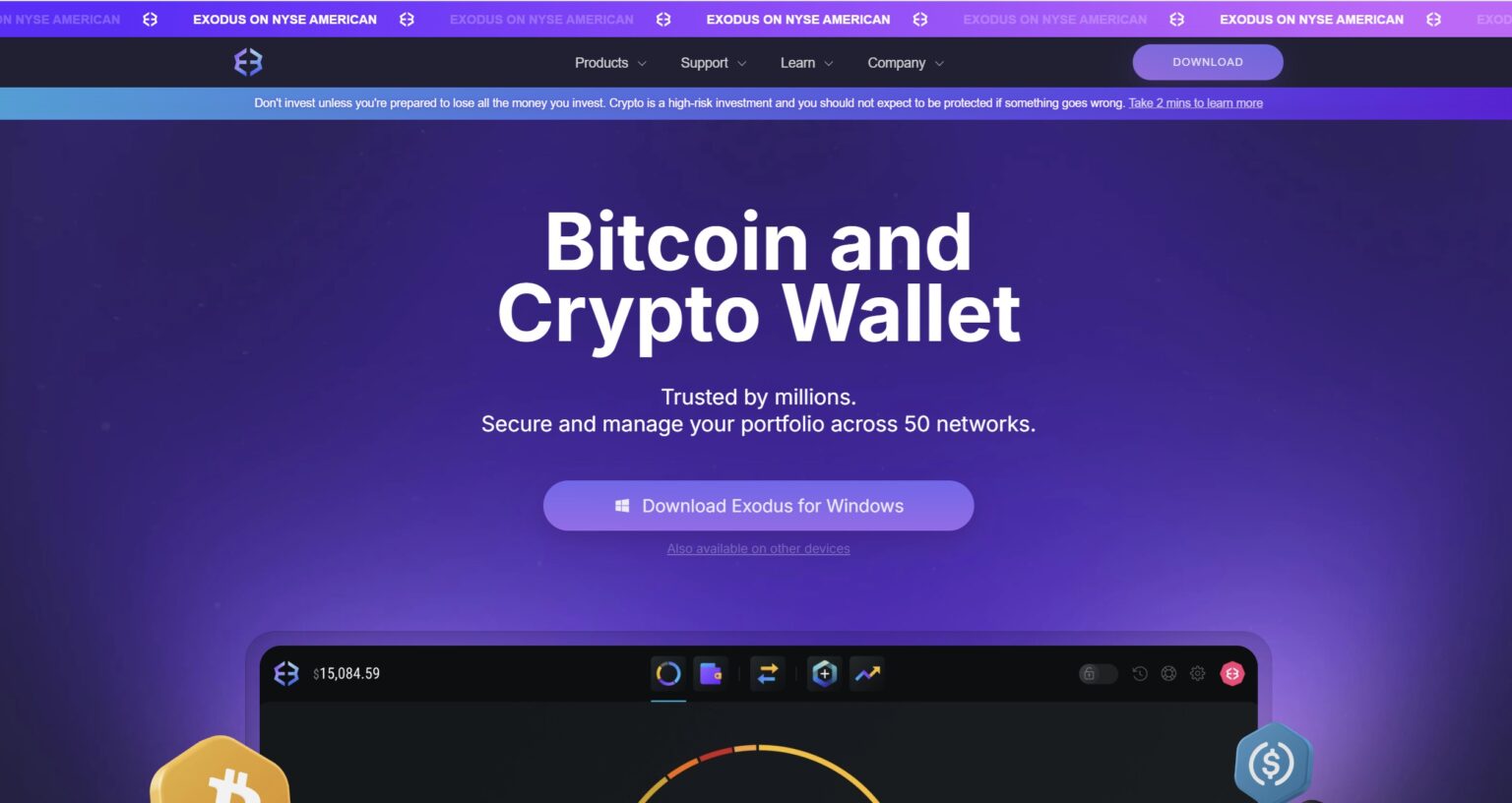
Exodus Web3 Wallet: The Complete Guide to Managing Your Cryptocurrency Safely
Cryptocurrency has transformed the way we think about finance, enabling individuals to store, send, and receive digital assets without relying on banks or traditional financial institutions. However, with increased control comes increased responsibility. Security is a top priority, and managing crypto safely requires a wallet you can trust. One such wallet is the Exodus Web3 Wallet, a versatile platform designed for both beginners and experienced crypto users. This guide provides a comprehensive walkthrough of Exodus, covering setup, features, security practices, and best usage tips.
What Is the Exodus Web3 Wallet?
Exodus is a multi-asset cryptocurrency wallet that allows users to store, manage, and interact with digital assets securely. The Web3 Wallet version integrates seamlessly with decentralized applications (dApps) and supports Ethereum-based tokens, including NFTs. By combining a user-friendly interface with robust security features, Exodus provides a smooth experience for managing crypto portfolios while maintaining control over private keys.
Key highlights of the Exodus Web3 Wallet include:
Multi-Currency Support: Supports hundreds of cryptocurrencies, including Bitcoin, Ethereum, and a variety of ERC-20 tokens.
Web3 Compatibility: Connects with decentralized applications, enabling interactions with decentralized finance (DeFi) platforms, NFT marketplaces, and more.
Portfolio Tracking: Offers an intuitive interface to track balances, transaction history, and asset performance.
Cross-Platform Access: Available on desktop, mobile, and Web3-enabled browsers.
Private Key Ownership: Users retain full control of their private keys, ensuring complete ownership of funds.
These features make Exodus a versatile option for both casual users and crypto enthusiasts seeking to engage with the growing Web3 ecosystem.
Setting Up the Exodus Web3 Wallet
Getting started with Exodus is straightforward. The wallet is designed to simplify the onboarding process while maintaining a strong security foundation.
Step 1: Download and Install Exodus
Visit the official Exodus website or download the mobile app from a trusted app store. Avoid downloading from third-party sources to prevent malware or phishing attempts. Once downloaded:
Open the application.
Choose between desktop or mobile versions based on your preference.
Proceed with installation, following on-screen instructions.
Exodus supports Windows, macOS, Linux, iOS, and Android platforms, allowing users to access their funds from multiple devices securely.
Step 2: Create a New Wallet
After installation, the next step is to create your wallet:
Set a Secure Password: Exodus will prompt you to create a strong password. This password protects access to the wallet interface and local data.
Backup Your Wallet: The wallet will generate a 12-word recovery phrase. This phrase is the only backup for your wallet and must be stored safely. Write it down on paper and avoid digital storage or photos.
Confirm Recovery Phrase: To ensure you’ve recorded it correctly, Exodus will ask you to confirm specific words from the phrase.
The recovery phrase allows you to restore access to your wallet on any device if your current device is lost, stolen, or damaged. Without it, your assets cannot be recovered.
Step 3: Explore the Wallet Interface
Once your wallet is created, familiarize yourself with the Exodus interface. The main sections include:
Portfolio Overview: Displays total balance, individual asset values, and performance charts.
Wallet Section: Lists all supported cryptocurrencies with options to send, receive, or exchange tokens.
Exchange Feature: Allows instant swapping of supported assets without leaving the wallet.
Activity and History: Tracks transactions and provides detailed information for each transfer.
This intuitive layout allows users to manage their portfolio efficiently and monitor performance over time.
Adding and Managing Assets
Exodus Web3 Wallet supports a wide range of cryptocurrencies and tokens, including Bitcoin, Ethereum, and ERC-20 assets. To add assets:
Navigate to the Wallet tab.
Select the cryptocurrency you wish to receive.
Copy your wallet address or use the QR code to receive funds.
You can also send assets by entering the recipient’s address, specifying the amount, and confirming the transaction. Exodus integrates seamlessly with the blockchain network, providing real-time updates and transaction confirmations.
Web3 Integration and dApps
One of the standout features of the Exodus Web3 Wallet is its compatibility with decentralized applications. Users can interact with DeFi protocols, stake tokens, participate in yield farming, and manage NFTs without leaving the wallet interface. Key features include:
dApp Browser: Connects directly to decentralized platforms and marketplaces.
NFT Support: Allows viewing, sending, and receiving Ethereum-based NFTs.
DeFi Access: Enables users to lend, borrow, or stake cryptocurrencies through compatible protocols.
This integration makes Exodus an ideal choice for users who want to participate in the decentralized ecosystem while maintaining control over their assets.
Security Features of Exodus
Security is the most critical aspect of any cryptocurrency wallet. Exodus provides multiple layers of protection while keeping the interface simple for users.
Private Key Ownership: Private keys are stored locally on your device and never leave it. You have full ownership and control.
Password Protection: Wallet access is protected by a password chosen during setup.
Recovery Phrase: The 12-word recovery phrase ensures you can recover your wallet in case of device loss.
Encrypted Storage: Sensitive information, including keys and transaction data, is encrypted locally.
Regular Updates: Exodus releases periodic updates to patch vulnerabilities and improve security.
While Exodus provides robust security, users must take additional measures, such as keeping devices malware-free and safeguarding the recovery phrase offline.
Backup and Recovery
A key part of cryptocurrency security is maintaining proper backups. Exodus guides users through:
Writing down the recovery phrase during setup.
Storing the phrase in a secure, offline location.
Avoiding digital storage methods that can be hacked.
In case of device loss, theft, or corruption, you can recover your wallet by entering the recovery phrase on any device with Exodus installed. This feature ensures continuity and protection of assets.
Tips for Safe and Efficient Use
To maximize security and efficiency while using Exodus Web3 Wallet:
Keep Software Updated: Always install the latest updates for Exodus and your device’s operating system.
Verify Addresses: Double-check wallet addresses before sending crypto to prevent accidental loss.
Enable Device Security: Use a strong password and lock your device when not in use.
Avoid Phishing Sites: Only download software from the official Exodus website or trusted app stores.
Use Hardware Wallets for Large Funds: For significant crypto holdings, consider integrating Exodus with a hardware wallet for extra security.
By following these best practices, you reduce the risk of loss and maintain control over your digital assets.
Common Questions About Exodus Web3 Wallet
Q: Can I use Exodus to store Bitcoin and Ethereum?
Yes. Exodus supports Bitcoin, Ethereum, and hundreds of other cryptocurrencies, including ERC-20 tokens.
Q: Is Exodus safe for beginners?
Yes. The wallet is designed to be user-friendly while maintaining strong security, making it suitable for both beginners and experienced users.
Q: Can I connect Exodus to decentralized applications?
Yes. The Web3 integration allows access to DeFi platforms, NFT marketplaces, and other dApps directly from the wallet.
Q: What happens if I lose my device?
If your device is lost or stolen, you can restore your wallet and funds using the recovery phrase. Without it, access to the wallet is impossible.
Q: Does Exodus charge fees?
Exodus does not charge fees for holding assets, but network fees apply when sending or exchanging cryptocurrencies. Fees are displayed before transactions are confirmed.
Conclusion
The Exodus Web3 Wallet is a comprehensive solution for securely managing cryptocurrencies while interacting with the growing Web3 ecosystem. Its combination of user-friendly design, robust security, multi-currency support, and Web3 compatibility makes it a versatile choice for both new and experienced crypto users. By carefully setting up the wallet, safeguarding your recovery phrase, monitoring transactions, and following best security practices, you can confidently manage digital assets in a secure environment.
Whether you are sending and receiving crypto, exploring decentralized applications, or tracking your portfolio, Exodus Web3 Wallet provides the tools and flexibility needed to navigate the digital finance world safely. Taking the time to properly set up and maintain your wallet ensures that your cryptocurrency remains secure and accessible at all times.