Exodus Web3 Wallet: A Comprehensive Guide to Managing Your Cryptocurrency Safely
The rise of decentralized finance, blockchain-based applications, and digital assets has transformed the way individuals manage money. With the growth of cryptocurrency, digital wallets have become a vital tool for anyone seeking to store, manage, and interact with digital assets securely. Among the many options available, the Exodus Web3 Wallet has emerged as a popular choice for both beginners and experienced users. Known for its intuitive design, multi-asset support, and Web3 compatibility, Exodus provides a user-friendly yet highly secure platform for managing cryptocurrencies and decentralized applications (dApps).
This article will explore what the Exodus Web3 Wallet is, its key features, setup process, security practices, and how it empowers users to interact with the decentralized internet safely.
What Is the Exodus Web3 Wallet?
The Exodus Web3 Wallet is a software wallet designed to store, manage, and interact with cryptocurrencies and decentralized applications. Unlike hardware wallets, which store assets offline, Exodus is a hot wallet that offers a balance between security, convenience, and accessibility. It is designed to give users full control over their private keys while enabling seamless interaction with Web3 services such as decentralized exchanges, NFT platforms, and DeFi applications.
Exodus supports multiple platforms, including desktop, mobile, and browser extensions, making it accessible across devices. This wallet is particularly appealing to those who want an integrated solution for asset management and Web3 connectivity without sacrificing usability.
Key Features of Exodus Web3 Wallet
The Exodus Web3 Wallet provides a comprehensive set of features designed to enhance the user experience while maintaining a high level of security.
1. Multi-Currency Support
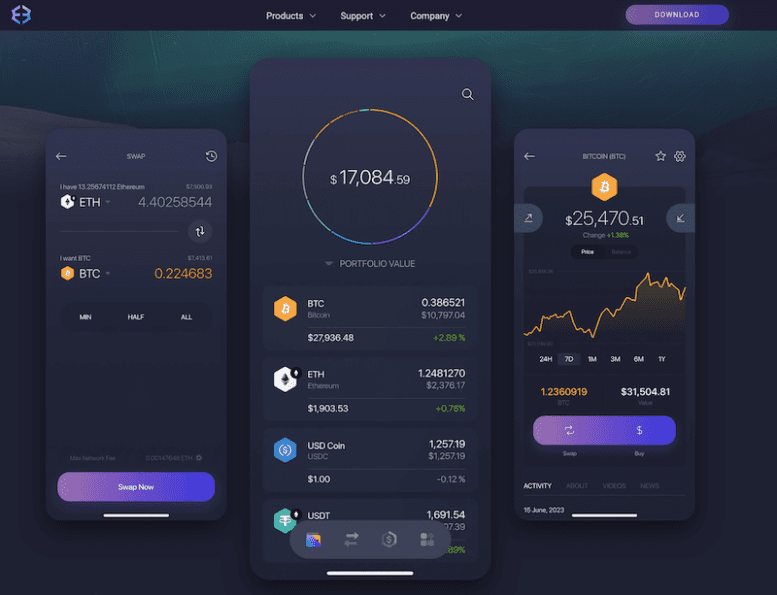
Exodus allows users to store and manage hundreds of cryptocurrencies within a single wallet. This includes popular coins such as Bitcoin, Ethereum, and Litecoin, as well as numerous altcoins and tokens across multiple blockchains. By providing multi-currency support, Exodus simplifies portfolio management for users with diversified holdings.
2. Web3 Integration
One of the standout features of Exodus is its Web3 compatibility. Users can interact directly with decentralized applications (dApps) and decentralized finance (DeFi) platforms without leaving the wallet interface. This integration allows for actions such as swapping tokens, lending assets, participating in liquidity pools, and accessing NFT marketplaces—all in a secure environment.
3. User-Friendly Interface
Exodus is known for its intuitive and visually appealing interface. The wallet provides clear portfolio tracking, real-time price updates, and transaction history. Even beginners can navigate the wallet efficiently, making it easy to send, receive, and monitor assets.
4. Built-In Exchange
The wallet includes an integrated exchange feature that enables users to swap one cryptocurrency for another directly within the wallet. This eliminates the need for third-party exchanges, reducing the risk of exposure to potential hacks or phishing attacks.
5. Portfolio Tracking and Analytics
Exodus provides detailed portfolio analytics, allowing users to monitor asset performance over time. Users can track market trends, individual token performance, and overall portfolio allocation, enabling better-informed decisions for trading or holding assets.
6. Secure Private Key Management
Exodus gives users complete control over their private keys, which are stored locally on their device. This ensures that only the user has access to their funds, unlike custodial wallets where the provider controls private keys. Additionally, Exodus provides secure backup and recovery options to prevent loss of funds.
Getting Started With Exodus Web3 Wallet
Setting up the Exodus Web3 Wallet is straightforward, and the wallet is designed to guide users through the process step by step.
1. Download and Install the Wallet
Exodus is available on multiple platforms, including desktop (Windows, macOS, Linux) and mobile devices (iOS and Android). Users can download the wallet directly from the official Exodus website to ensure authenticity and avoid phishing risks.
After downloading, follow the installation prompts to set up the wallet on your device.
2. Create a New Wallet
Once installed, users can create a new wallet by selecting the “Create New Wallet” option. This process will generate a unique seed phrase, typically 12 words, which acts as the master key to your wallet.
Important: Write down the seed phrase on paper and store it securely offline. This recovery phrase is the only way to restore your wallet if the device is lost or damaged. Never share your seed phrase with anyone.
3. Set a Strong Password
Users are prompted to set a secure password for accessing the wallet on their device. While the password adds a layer of security, the seed phrase remains the ultimate safeguard for wallet recovery.
4. Explore Web3 Features
After wallet creation, users can explore Web3 functionalities. Connect the wallet to decentralized applications, swap tokens, access NFT marketplaces, and participate in DeFi platforms. The wallet interface guides users through these actions, making it accessible even for beginners.
5. Add Assets
Users can add cryptocurrencies to their wallet by either transferring from exchanges or receiving from other wallets. Exodus supports multiple blockchains, making it easy to manage a diversified portfolio from a single platform.
Security Practices for Exodus Web3 Wallet
While Exodus provides a secure environment, users must also take personal precautions to protect their assets. Implementing strong security practices significantly reduces the risk of theft or loss.
1. Secure Your Seed Phrase
The seed phrase is the most critical component of wallet security. Store it offline in a safe and secure location. Consider multiple backups to protect against loss due to physical damage or theft.
2. Use Strong Passwords
Always use a strong and unique password for your wallet. Avoid reusing passwords across multiple platforms, and consider using a password manager to generate and store secure credentials.
3. Enable Device Security
On mobile devices, enable fingerprint or face recognition for additional security. On desktop, use device-level encryption and secure access settings to prevent unauthorized access.
4. Avoid Phishing Attacks
Exodus users should always access the wallet and official website directly, not through links received in emails, social media messages, or unofficial sources. Phishing attacks are a common method for stealing private keys or seed phrases.
5. Keep Software Updated
Exodus regularly releases software updates to improve security, add new features, and fix vulnerabilities. Regularly updating the wallet ensures you benefit from the latest protections.
Why Choose Exodus Web3 Wallet?
Exodus is ideal for users seeking a balance between accessibility, security, and Web3 functionality. Here’s why it stands out:
Ease of Use: Beginners can quickly set up the wallet and navigate Web3 features without prior technical knowledge.
Comprehensive Asset Management: Support for hundreds of cryptocurrencies and integrated portfolio tracking simplifies financial management.
Web3 Compatibility: Direct interaction with decentralized applications and DeFi platforms enhances the utility of your digital assets.
Secure Private Key Storage: Users retain full control over private keys, ensuring only they have access to their funds.
Integrated Exchange: Built-in swapping of cryptocurrencies eliminates reliance on third-party platforms.
By combining these features, Exodus enables users to manage, protect, and grow their digital assets efficiently.
Additional Features and Integrations
Beyond standard wallet functions, Exodus provides advanced features that enhance the cryptocurrency experience:
NFT Support: Users can store, view, and manage NFTs directly within the wallet.
DeFi Access: Connect with lending, staking, and liquidity pool platforms without leaving the wallet interface.
Cross-Platform Synchronization: Assets can be managed across mobile and desktop platforms seamlessly.
Regular Feature Updates: Exodus frequently adds new assets, integrations, and features, ensuring users have access to the latest innovations in crypto.
These capabilities make Exodus a versatile tool for both asset management and engagement with the decentralized ecosystem.
Conclusion
The Exodus Web3 Wallet is more than just a cryptocurrency storage solution—it is a comprehensive platform for managing digital assets, interacting with decentralized applications, and participating in the Web3 ecosystem. Its user-friendly interface, multi-asset support, built-in exchange, and Web3 functionality make it an attractive choice for both beginners and experienced users.
Security remains a top priority, with private key control, recovery seed management, and software updates ensuring that users’ funds are protected. By following best practices, users can confidently store, trade, and interact with cryptocurrencies and decentralized platforms.
Whether you are looking to store Bitcoin safely, explore decentralized finance, or manage a diversified crypto portfolio, Exodus Web3 Wallet provides the tools, security, and flexibility needed to navigate the rapidly evolving digital landscape.